Hazard Pruning & Trimming
Precision Canopy Elevation, Crown Thinning & Storm Defense Pruning
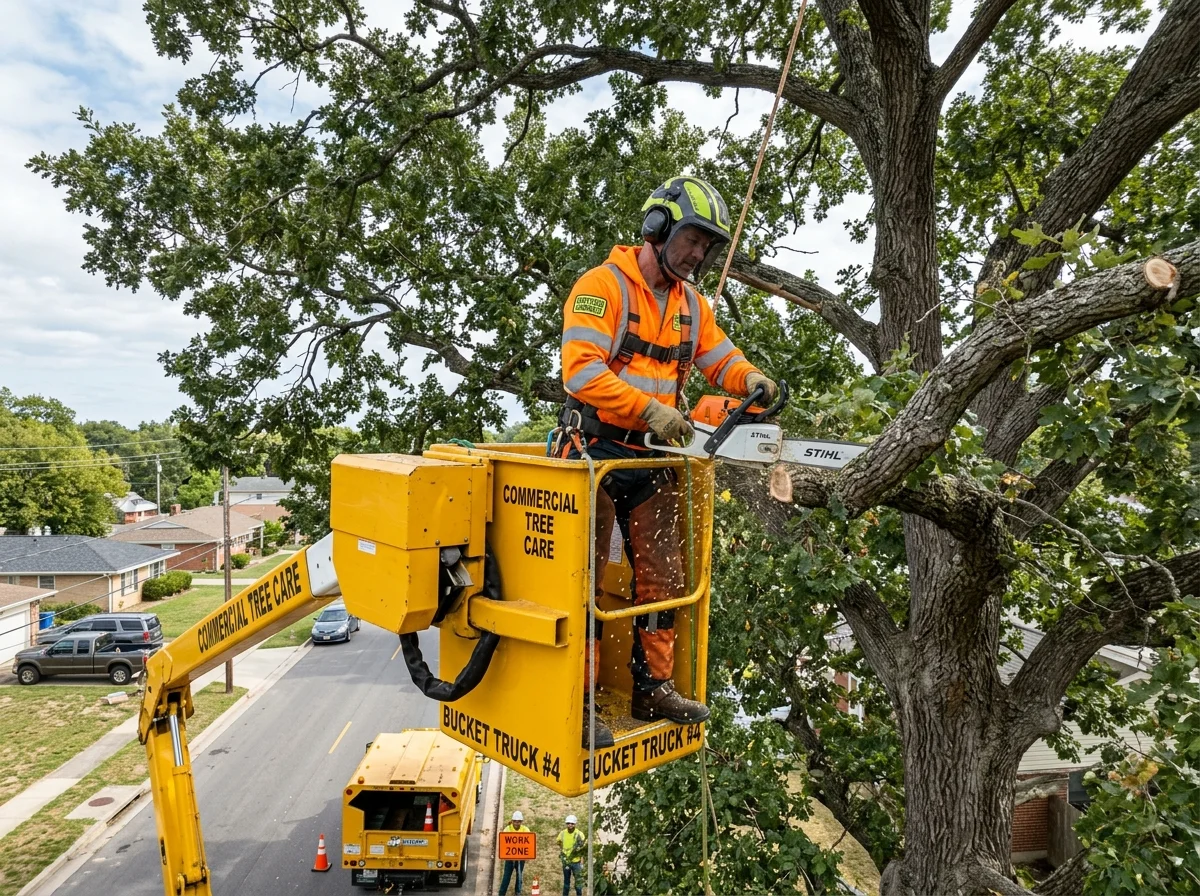
Regular hazard pruning and structural canopy trimming are essential maintenance practices designed to enhance tree health, elevate clear zones over roofs, and reduce wind sail resistance during severe gale-force windstorms. Certified arborists utilize precise directional pruning cuts to eliminate dead, diseased, or rubbing limbs without inducing physiological stress upon the tree.
Wind Sail Reduction & Severe Weather Defense
Mature Oak, Maple, and Pine trees naturally develop dense, thick upper canopies over time. During severe thunderstorms or tropical wind squalls, these heavy foliage canopies act like giant sails, catching extreme wind pressure that forces massive leverage down onto the main trunk and root system. Strategic arborist crown thinning reduces wind sail resistance by up to 30%, allowing heavy winds to blow cleanly through the canopy without causing trunk snaps or root ball failures.
Primary Signs Your Trees Require Structural Pruning
- Limbs Touching Roof Shingles: Overhanging branches rubbing roof tiles, gutters, or chimney stacks.
- Excessive Canopy Density: Overcrowded interior branches blocking sunlight and trapping humidity inside the crown.
- Deadwood & Brittle Limbs: Dry, bark-less branches over 2 inches in diameter at risk of breaking during winter storms.
- Low-Hanging Clearance Hazards: Lower branches encroaching on sidewalks, driveways, or vehicle parking spots.
Certified Arborist Pruning Standards & Workflow
All tree trimming operations strictly follow ANSI A300 pruning standards to ensure long-term tree vitality:
Comprehensive Canopy Assessment
Arborists evaluate branch crotch angles, deadwood distribution, rubbing limbs, and crown symmetry.
Targeted Branch Collar Cuts
Pruning cuts are executed cleanly at the branch collar, preserving the natural bark ridge so the tree heals naturally.
Crown Thinning & Elevation
Up to 25% of dense interior foliage is selectively pruned to improve air circulation and elevate lower canopy clearance.
Brush Chipping & Haul-Away
All cut limbs are chipped into clean mulch on-site, leaving your lawn clean, bright, and well-manicured.
Frequently Asked Questions About Hazard Pruning & Trimming
What is the best time of year to trim trees?
Late winter or early spring (dormant season) is ideal for major structural pruning, though deadwood hazard pruning can be performed safely year-round.
How much canopy can be pruned at one time?
Arborist standards dictate removing no more than 20% to 25% of a mature tree's living canopy in a single season to avoid stress.
Will trimming branches away from my roof damage the tree?
No. Proper arborist pruning cuts made at the branch collar encourage healthy callousing while keeping your roof safe from moisture and animal access.